top of page

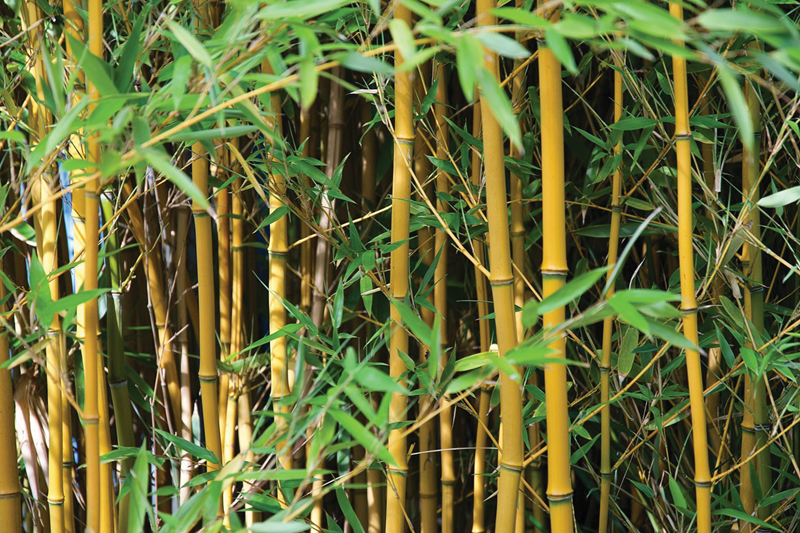
Beware of Bamboo

2 hours ago
3 min read

Once bamboo is established, getting rid of it is a Herculean task. Simply cutting it down won’t work; the energy is stored in the massive, woody root system. Removing it requires heavy machinery to excavate the entire root ball or a multi-year regimen of high-strength systemic herbicides. — Montgomery Township Environmental Commission/Sustainable Jersey


Once bamboo is established, getting rid of it is a Herculean task.

By Mary Reece for The Montgomery News | October 29, 2026


Bamboo is often marketed as the ultimate “eco-friendly” privacy screen. It grows fast, looks exotic, and creates a dense wall of green.


However, before planting this prolific grass, it is vital to understand the logistical, ecological, and maintenance-related headaches it can cause. For many homeowners, the short-term benefit of a quick screen is quickly overshadowed by the long-term nightmare of containment.


The primary reason to avoid bamboo—specifically the “running” varieties—is its aggressive invasiveness.


Running bamboo spreads via underground rhizomes that act like horizontal drill bits. These rhizomes do not respect property lines, fences, or even concrete barriers. Within a few seasons, a single planting can emerge 30 feet away in a neighbor’s prized flower bed or under a patio. This often leads to “bamboo wars,” resulting in strained neighborly relations or even legal action for property damage.


Because it is so difficult to stop, many municipalities have actually passed ordinances banning the planting of certain bamboo species altogether.


The difficulty of eradication is another major deterrent. Once bamboo is established, getting rid of it is a Herculean task. Simply cutting it down won’t work; the energy is stored in the massive, woody root system. Removing it requires heavy machinery to excavate the entire root ball or a multi-year regimen of high-strength systemic herbicides.


Advertisement

Baumley in Princeton

If even a small fragment of a rhizome is left in the soil, the plant can regenerate, making it a “forever” commitment that many homeowners regret.


Furthermore, bamboo can be environmentally disruptive. In many regions, escaped bamboo creates monocultures that shade out native flora, reducing the biodiversity necessary for local pollinators and wildlife.


Finally, there are structural risks. The power of a growing bamboo rhizome is immense; they have been known to crack asphalt driveways, heave pavers, and even compromise the integrity of shallow foundations or underground utility lines.


In summary, the risks of invasive spreading, the relentless maintenance, and the extreme difficulty of removal make bamboo a risky choice. For homeowners in New Jersey, there are several native, noninvasive alternatives that provide excellent privacy without the risks of bamboo. These options range from fast-growing evergreens to bird-friendly deciduous shrubs.


Top Native Privacy Plants


Eastern Red Cedar (Juniperus virginiana)

Eastern Red Cedar (Juniperus virginiana)


Eastern Red Cedar (Juniperus virginiana): A hardy native evergreen that offers year-round coverage and is highly drought-tolerant once established. It grows into a dense pyramidal shape and provides critical winter shelter and berries for local birds like cedar waxwings.


Advertisement

Armstrong Interiors in Flemington, NJ

American Holly (Ilex opaca): A classic NJ native evergreen with thick, spiny leaves and bright red berries. It creates a nearly impenetrable barrier and is extremely cold-hardy, making it a reliable choice for the region’s winters.


Southern Wax Myrtle (Morella cerifera): A fast-growing, semievergreen shrub that thrives in New Jersey and provides a dense screen with aromatic foliage.


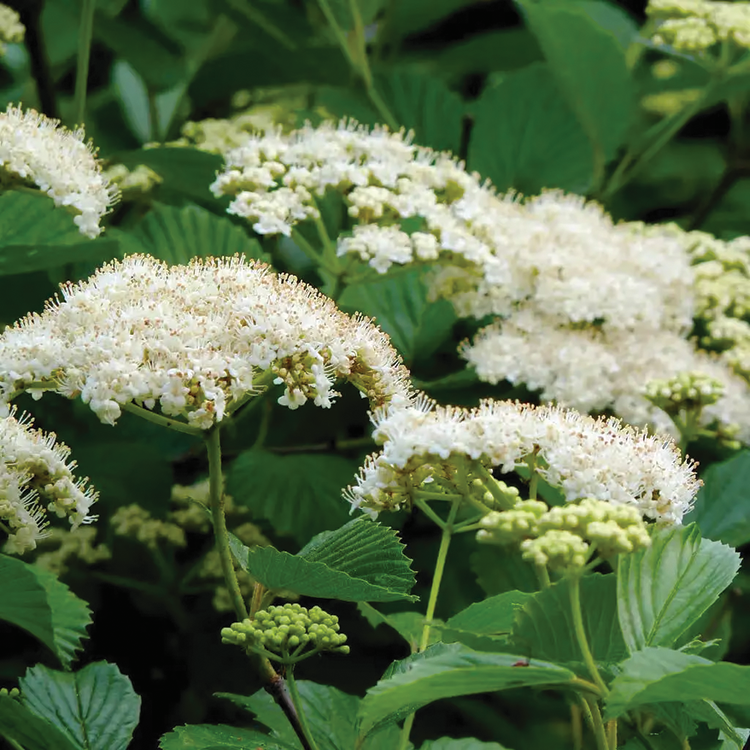
Arrowwood Viburnum (Viburnum dentatum)

Arrowwood Viburnum (Viburnum dentatum)


Arrowwood Viburnum (Viburnum dentatum): A versatile deciduous shrub that forms a dense, upright barrier. It provides multi-season interest with white spring flowers, blue-black berries for birds, and vibrant fall foliage.

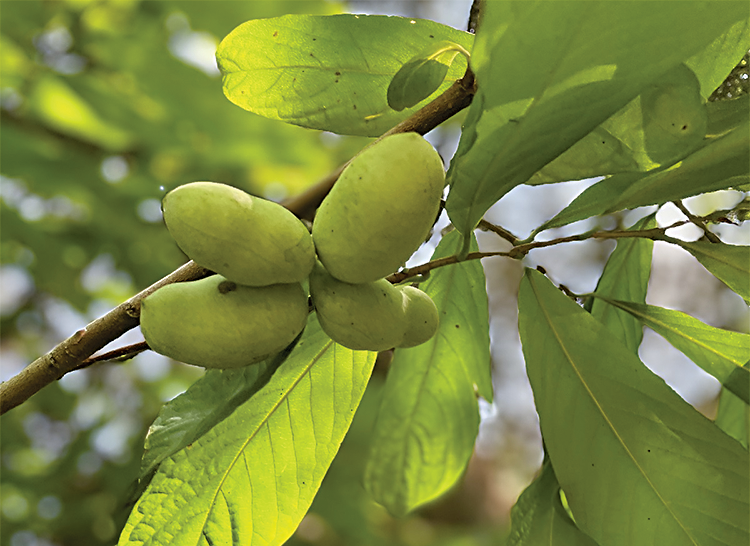
Pawpaw (Asimina triloba): A deciduous understory tree that produces edible fruits and tolerates conditions of full sun to shade.


Pawpaw (Asimina triloba)

Pawpaw (Asimina triloba)


Pawpaw (Asimina triloba): A deciduous understory tree that produces edible fruits and tolerates conditions of full sun to shade.

bottom of page